
Copper at a Glance
Copper is a metallic element with the atomic number 29 and the chemical symbol Cu, derived from the Latin word “cuprum.” It is one of four metals that does not have a natural gray or silver color and is the third most recycled metal after iron and aluminum, capable of being recycled without loss of quality.
This element possesses high malleability and excellent thermal and electrical conductivity, ranking second in electrical conductivity after silver. However, due to its more affordable price, it is more widely used in the electrical industry and is often referred to as the backbone of electrical engineering and technology. Another significant application of copper is in the construction industry, particularly in plumbing, heating, air conditioning, and industrial fittings.
In addition to conductivity, the antimicrobial properties of copper and its alloys (containing over 60% copper) have garnered attention for use in surfaces frequently touched by people in public spaces. Furthermore, its ability to eliminate airborne pathogens has expanded the use of copper components in heating and air conditioning systems.
The use of copper in electric vehicle motors is also on the rise, leading to increased energy efficiency and a notable reduction in carbon emissions.

Copper at a Glance
Copper is a metallic element with the atomic number 29 and the chemical symbol Cu, derived from the Latin word “cuprum.” It is one of four metals that does not have a natural gray or silver color and is the third most recycled metal after iron and aluminum, capable of being recycled without loss of quality.
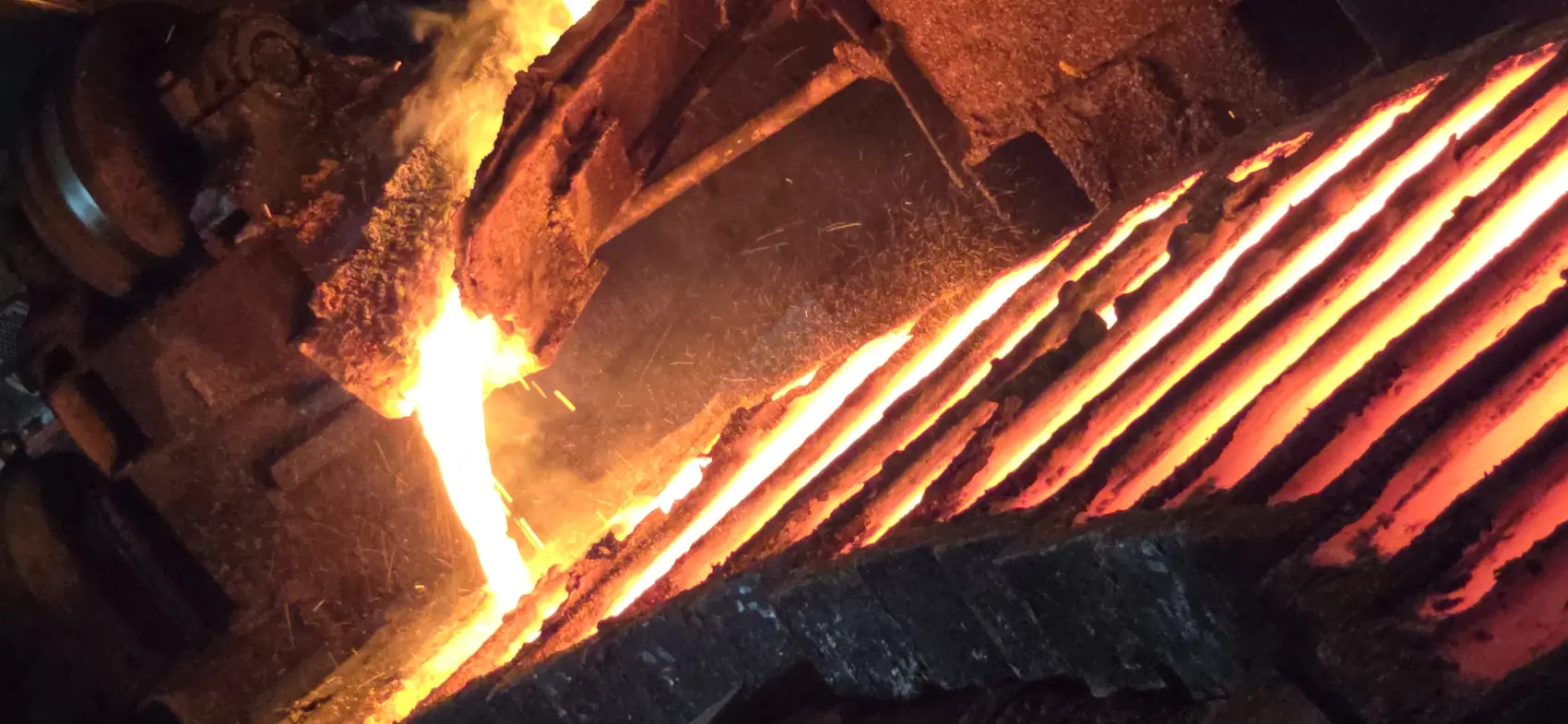
This element possesses high malleability and excellent thermal and electrical conductivity, ranking second in electrical conductivity after silver. However, due to its more affordable price, it is more widely used in the electrical industry and is often referred to as the backbone of electrical engineering and technology. Another significant application of copper is in the construction industry, particularly in plumbing, heating, air conditioning, and industrial fittings.
In addition to conductivity, the antimicrobial properties of copper and its alloys (containing over 60% copper) have garnered attention for use in surfaces frequently touched by people in public spaces. Furthermore, its ability to eliminate airborne pathogens has expanded the use of copper components in heating and air conditioning systems.
The use of copper in electric vehicle motors is also on the rise, leading to increased energy efficiency and a notable reduction in carbon emissions.